


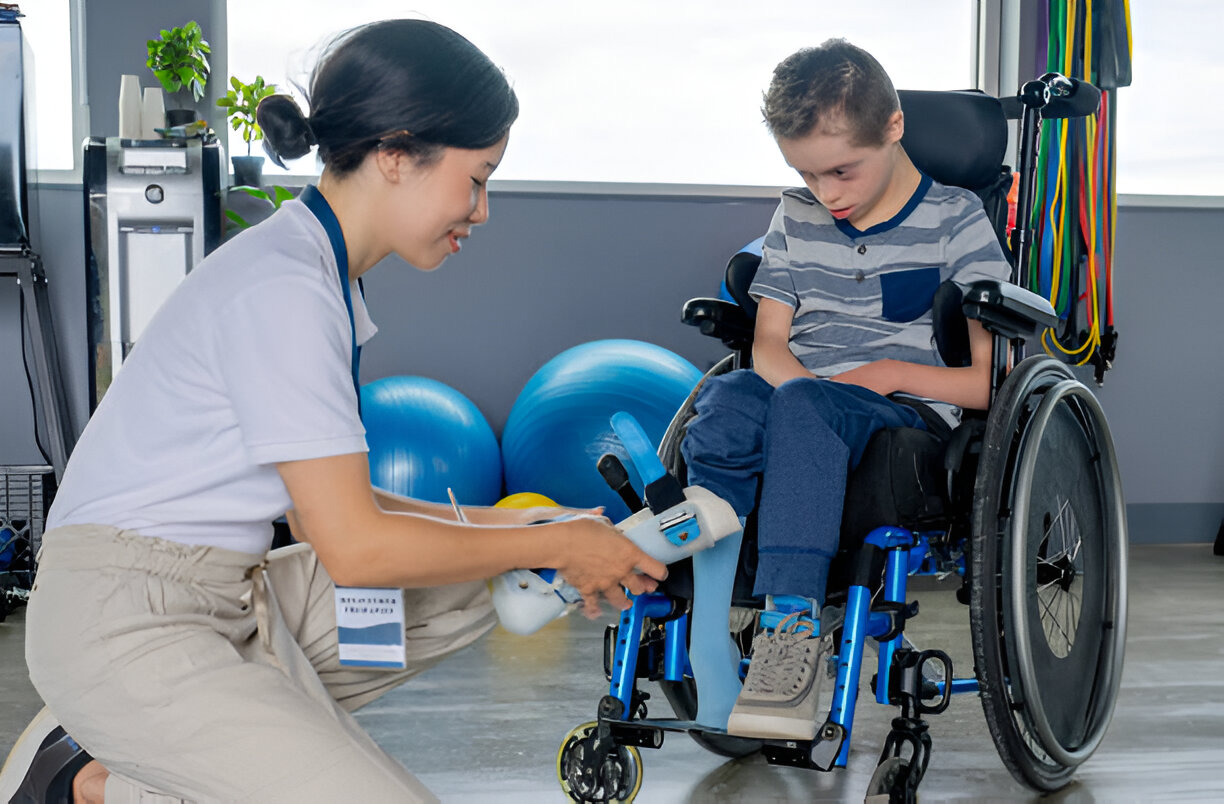
Cerebral palsy (CP) is a group of permanent neurological disorders that affect movement, posture, and muscle coordination due to brain damage during development. Children with CP often face mobility challenges, which can significantly impact their ability to engage in daily activities, socialize, and achieve developmental milestones. Pediatric physical therapy plays a vital role in addressing these challenges by optimizing mobility, improving functional abilities, and enhancing overall quality of life.
This article explores the importance of physical therapy in managing cerebral palsy, the strategies employed by therapists, and the transformative impact it can have on children and their families.
Understanding Mobility Challenges in Cerebral Palsy
Mobility challenges in children with CP vary depending on the type and severity of the condition. CP is commonly classified into three types:
- Spastic CP: Characterized by muscle stiffness and tightness, leading to difficulties in movement and coordination.
- Dyskinetic CP: Involves involuntary, uncontrolled movements, making it hard to perform purposeful actions.
- Ataxic CP: Marked by poor balance and coordination, resulting in unsteady movements.
These challenges can manifest in various ways, including difficulty walking, maintaining posture, or performing fine motor tasks. Addressing these mobility issues requires a tailored approach, which is where pediatric physical therapy comes into play.
The Role of Pediatric Physical Therapy
The primary goal of pediatric physical therapy is to help children with CP achieve their maximum functional potential. This involves improving mobility, enhancing strength and flexibility, and fostering independence in daily activities. The role of therapy includes:
1. Assessment and Individualized Planning
Therapists begin by conducting a comprehensive assessment of the child’s physical abilities, movement patterns, and limitations. Based on this evaluation, they develop a personalized therapy plan that aligns with the child’s needs and goals.
2. Improving Gross Motor Skills
Physical therapists focus on developing gross motor skills such as crawling, walking, and jumping. These activities enhance overall mobility and help children navigate their environment more effectively.
3. Enhancing Muscle Strength and Flexibility
Strengthening exercises target weak muscles, while stretching routines address muscle tightness and spasticity. This combination improves joint mobility and reduces the risk of contractures.
4. Gait Training and Mobility Aids
For children with walking difficulties, gait training helps refine walking patterns, improve balance, and build endurance. Therapists may also recommend mobility aids such as walkers, crutches, or wheelchairs to enhance independence.
5. Promoting Postural Control
Good posture is essential for stability and efficient movement. Therapists work on core strength and alignment to help children maintain proper posture during activities.
6. Incorporating Play-Based Therapy
Play is a natural way for children to learn and engage. Therapists use play-based activities to make therapy enjoyable while targeting specific physical goals. For instance, climbing, jumping, or balancing games can build strength and coordination.
7. Preventing Secondary Complications
Physical therapy also aims to prevent secondary complications such as joint deformities, muscle atrophy, or chronic pain. Regular therapy sessions help maintain overall physical health and prevent long-term issues.
Techniques and Approaches in Pediatric Physical Therapy
A variety of techniques and approaches are employed to address the unique needs of children with CP:
- Neurodevelopmental Therapy (NDT): Focuses on improving movement patterns and postural control through hands-on guidance.
- Constraint-Induced Movement Therapy (CIMT): Encourages the use of a weaker limb by restricting the stronger one, promoting balance and function.
- Hydrotherapy: Water-based exercises reduce the strain on muscles and joints, providing a supportive environment for movement.
- Assistive Technology: Use of orthotics, braces, and adaptive equipment to support mobility and functional independence.
- Functional Electrical Stimulation (FES): Stimulates muscles using electrical impulses to improve strength and movement.
Collaboration with Families and Caregivers
The success of pediatric physical therapy relies heavily on collaboration with families and caregivers. Therapists educate parents on how to perform exercises at home, provide guidance on using assistive devices, and offer emotional support. This partnership ensures that therapy extends beyond clinical settings and becomes an integral part of the child’s daily routine.
Long-Term Benefits of Pediatric Physical Therapy
Physical therapy offers numerous benefits for children with CP, including:
- Increased Independence: By improving mobility and functional abilities, children gain greater independence in daily activities.
- Enhanced Social Participation: Better mobility allows children to engage in play, school, and community activities, fostering social connections.
- Improved Physical Health: Regular therapy helps maintain overall physical health, reducing the risk of complications like joint deformities or pain.
- Boosted Confidence: Achieving physical milestones builds self-esteem and a sense of accomplishment.
- Improved Quality of Life: Physical therapy empowers children to lead more active and fulfilling lives.
Early Intervention: The Key to Success
Early intervention is critical in optimizing outcomes for children with CP. The developing brain exhibits remarkable plasticity, making it more receptive to therapeutic interventions in the early years. Starting therapy as soon as possible maximizes the potential for improvement and minimizes the impact of physical impairments.
Challenges and Innovations in Therapy
While pediatric physical therapy offers immense benefits, challenges such as limited access to specialized care or high therapy costs can be barriers for some families. However, advancements in technology are transforming the field. Innovations such as robotic-assisted therapy, virtual reality-based interventions, and advanced diagnostic tools are making therapy more effective and accessible.
Conclusion
Pediatric physical therapy is a cornerstone in the care and management of cerebral palsy. By focusing on mobility, strength, and independence, therapy helps children overcome challenges and unlock their full potential. Through early intervention, personalized care plans, and collaboration with families, physical therapy empowers children with CP to lead active, fulfilling lives.
Optimizing mobility is not just about movement; it’s about giving children the tools to explore their world, build connections, and achieve their dreams. With continued advancements in therapy and unwavering support from caregivers, the future holds immense promise for children with cerebral palsy.
