


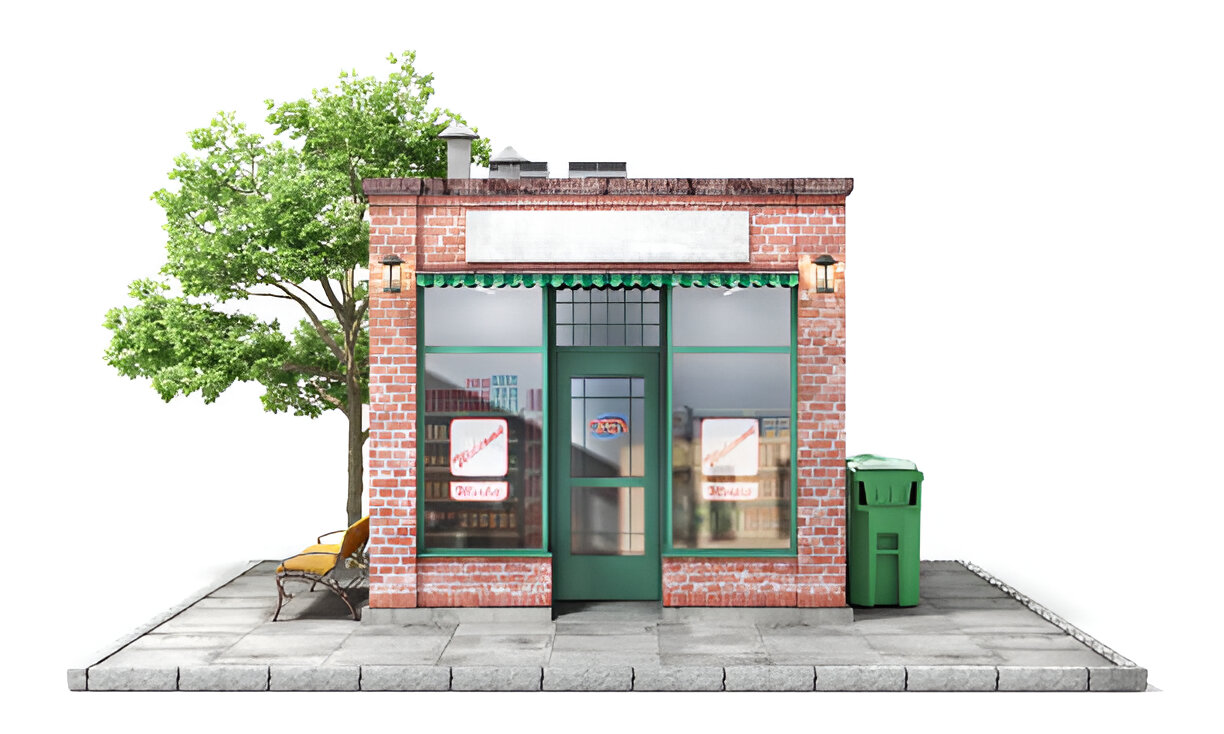
Why Brick-and-Mortar Stores Are Still Important
E-commerce as a way of business has become the most common way that consumers purchase goods and services. With no more than just a few clicks, shoppers have instant access to an endless selection of products without needing to leave their front doors.
Convenience like this has led many to predict the demise of traditional brick-and-mortar stores, but physical stores continue to provide certain benefits that online retailers simply cannot replicate, meaning that it’s unlikely that they’re going to be going anywhere anytime soon.
The Human Touch
A significant advantage of brick-and-mortar stores is the opportunity for human interaction. Online shopping is all about efficiency, meaning it often lacks the personal touch that many consumers value. Knowledgeable staff can provide helpful advice, answer questions, and give tailored recommendations based on an individual’s needs.
Personalised service like this is a powerful way of building a sense of trust and loyalty that is difficult to achieve online. After all, a friendly face and a helpful hand can make all the difference in creating a positive shopping experience and building lasting customer loyalty.
For example, a customer looking for a new camera could benefit immensely from visiting a physical store. A trained sales assistant can explain the different features, demonstrate how to use the camera, and help the customer choose the best model for their needs and budget.
A Feast for the Senses
Online shopping relies heavily on visual representations of products, both as photographs and descriptions. Imagery can only take you so far, however, and this is where traditional stores step in. Brick-and-mortar stores offer a multi-sensory experience that online retailers are unable to match.
Customers can see, touch, and try products before making a purchase, allowing for a more informed decision – important for items where texture, fit, and feel are crucial, such as clothing, furniture, and cosmetics.
Just imagine attempting to buy a new mattress online. Pictures and descriptions can provide some information, but they just can’t replicate the experience of lying on the mattress, feeling the firmness, and assessing its comfort level. A physical store gives shoppers the ability to experience the product firsthand so that it meets their expectations before they put any money down.
The Joy of Instant Gratification
With most people incredibly busy throughout the day, waiting for deliveries can feel like an eternity. Brick-and-mortar stores offer the undeniable satisfaction of immediate ownership. Shoppers can walk out of the store with their purchase in hand, eliminating the anticipation and potential delays associated with online orders, perfect for last-minute needs or impulse buys.
One scenario may involve you needing a gift for a birthday party happening that afternoon. An online order might not arrive in time, but a trip to a physical store guarantees you’ll have the perfect present ready to go. It’s this immediacy that continues to be a major advantage for brick-and-mortar stores, doubly so in situations where time is of the essence.
Supporting Local Businesses and Communities
Physical stores, such as small businesses, play an important role in the local economy. They create jobs, contribute to the community, and offer unique products and services that may not be available online. Supporting these businesses helps to maintain the vibrancy and diversity of our towns and cities. When you shop locally, you’re not just buying a product; you’re investing in your community.
Local businesses often become gathering places, where people can connect and interact with one another, helping to create a sense of belonging, which is itself an important aspect of a thriving community. Local shops often host events, workshops, or classes, strengthening community bonds and providing opportunities for social interaction.
Click-and-Mortar: The Best of Both Worlds
Brick-and-mortar stores offer specific advantages that you won’t find online, but they also benefit from embracing the digital world. Many businesses are adopting a “click-and-mortar” approach, merging online and offline strategies to expand their reach and offer a better customer experience. It’s an integrated approach which allows businesses to offer their products or services to a wider range of customer preferences and shopping habits.
Online platforms complement physical stores in several different ways. For example, a business could use their websites and social media to showcase products, engage with their customers, and offer online ordering options. They can also provide services like click-and-collect, so customers that order online can pick up their purchases in-store. This is the ultimate combination of the convenience of online shopping with the immediacy of a physical store. It represents an “omnichannel” strategy that boasts flexibility and choice for the customer.
Local businesses will often use online platforms to connect with an audience that extends way beyond their local town or few city blocks. This is how certain services, such as YouTube Music or Casino Grand Bay, reach millions of people. For instance, a small bookstore could use Instagram to showcase new releases, host author events, and connect with customers through online book clubs or reading challenges. It’s an excellent way of attracting new customers and strengthening overall brand awareness.
The Future of Retail
E-commerce has undoubtedly changed the way we shop, but it will never render brick-and-mortar stores obsolete. Physical stores offer advantages that online retailers will likely be unable to ever really emulate. The future of retail lies in a harmonious blend of online and offline experiences, where businesses rely on the strengths of both channels to create a seamless shopping journey for their customers.
Brick-and-mortar stores can thrive in the digital age by embracing innovation and adapting to a changing consumer market. The key is to offer a compelling shopping experience that utilises the convenience of online shopping with the personal touch, sensory engagement, and instant gratification that only a physical store can provide.
For a new business, this means creating inviting spaces, offering exceptional customer service, and curating a product selection that the local community can enjoy.
