


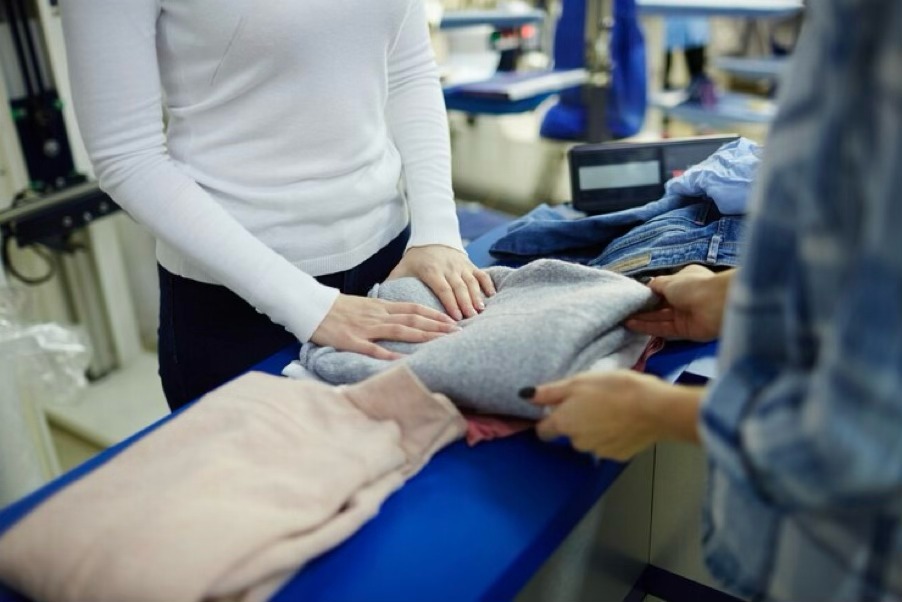
Laundry cleaning service and dry-cleaning service encompass various methods and techniques of cleaning textiles. The aim of both methods is to remove dirt, eliminate stains, and fight foul odours in textiles and clothing. Even though the objective of both dry cleaning and laundry cleaning is the same, there are quite a few differences between the two techniques. Understanding the key points of difference is essential for preserving the durability and longevity of garments. Read on to know more about the differences between laundry cleaning and dry cleaning.
Prime differences between laundry cleaning and dry cleaning of textiles:
The differences between laundry cleaning and dry cleaning are described briefly below:
Key difference in approach:
Fundamentally, laundry cleaning refers to the washing of clothes with water and soap or detergent. The techniques of laundry cleaning include agitation of the garments in water followed by rinsing and spinning of the clothes for a thorough wash. Most laundromats prefer to conduct laundry cleaning of clothes in washing machines. Launderers use mild detergent soap, bleach, fabric softeners, and disinfectants to clean textiles. Water is the prime solvent used in laundry cleaning of clothes and textiles.
In contrast to laundry cleaning, the prime solvent for dry cleaning clothes includes chemicals. Dry cleaning refers to the cleaning of textiles without using water. Most dry cleaners use PERC (perchloroethylene) to dry clean clothes. Professionals also use liquid carbon dioxide and hydrocarbon-based solvent medium to clean clothes. The process of dry-cleaning begins with the pre-treatment of stains, after which the stain-free clothes are put inside a dry-cleaning machine. The machine allows washing of the clothes with the chemical solvents. The solvents break down the grime, grease, and dirt in the clothes without causing any damage to the fabric. After the chemical wash, the clothes are pressed, folded, and stored for future use.
Difference in technology and equipment:
Professional laundry platforms conduct laundry cleaning of garments with the help of washing machines, dryers, and pressing machines. Laundromats use industrial-grade washers and dryers for washing and drying clothes.
Dry Cleaners use specialized equipment and technologies to clean clothes. Clothes that require drycleaning are often of a sensitive nature. As such, launderers use specialized drycleaning machines for circulation of the chemical solvent and filtration of impurities. Drycleaning machines are more advanced and sophisticated than commercial-grade laundry machines. Launderers set the drycleaning machines to low temperature and low tumbling speed for drycleaning clothes of delicate fabric.
Difference in impact on textiles
Laundry cleaning is highly suitable for textiles of robust and water-friendly fabrics like polyester, cotton, and linen. It is important to wash textiles of such fabrics with water and soap to retain the softness and cleanliness of the textiles. Mechanical agitation of the clothes is a significant aspect of laundry cleaning. Both machine washing and hand washing of clothes require gentle agitation for dislodging dirt. However, for clothes with embellishments, mechanical agitation can be rough and damaging. For such embellished textiles, it is recommended to go for gentle handwashing with soap and water.
Dry cleaning is ideal for delicate fabric and clothes with embellishments like stones and sequins. Washing in chemical solvents not only cleans the clothes but also prevents shrinkage and damage of sensitive fibres. Clothes dry cleaning is also helpful in preserving the colour and texture of the clothes. However, excessive drycleaning of clothes may lead to the buildup of chemicals on fabric. It is therefore necessary to avoid using chemical solvents too frequently for cleaning clothes.
Difference in environmental impact
Laundry cleaning is not exactly eco-friendly. It consumes excessive amounts of water and electric power for cleaning garments, especially when the laundry is done in washing machines and dryers. Moreover, detergent soaps contain phosphates and other harsh chemicals that leach into the environment and cause pollution. Professional laundry platforms are trying to curb the environmental pollution by using eco-friendly detergent powders and soaps.
Traditional drycleaning is not eco-friendly either. The use of PERC as a solvent for cleaning clothes is toxic to the environment. Chemical solvents often percolate into the soil and pollute the groundwater. However, dry cleaning clothes helps to save water and consumes less electricity than conventional laundry cleaning. Moreover, the use of alternative solvents like liquid carbon dioxide helps to reduce groundwater pollution as well.
Conclusion
Laundry cleaning and drycleaning are different, even though both techniques aim to clean linen. Laundry cleaning is cost-effective and more accessible, while drycleaning is costly but eco-friendly. Hello Laundry, one of the best laundry service platforms, offers both laundry cleaning and drycleaning services at affordable prices. If you are on the lookout for laundry services, then you may get in touch with Hello Laundry today.
