


Table of Contents:
- Introduction to Volcanic Crater Lakes
- Formation of a Natural Marvel
- Unique Ecosystems of Crater Lakes
- Famous Crater Lakes Around the World
- Activities and Adventures
- Conservation and Environmental Impact
- Related Myths and Legends
- Conclusion: Embracing the Beauty and Challenge
Introduction to Volcanic Crater Lakes
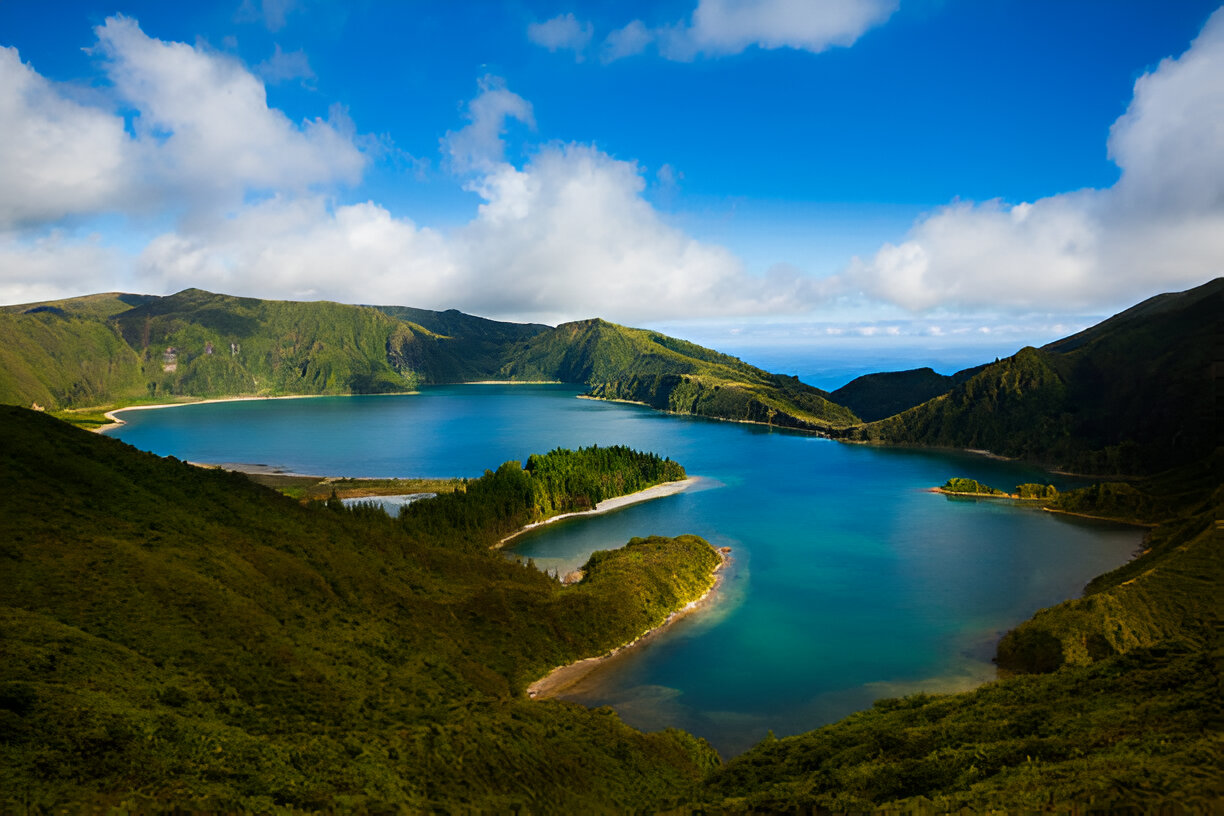
Volcanic crater lakes are captivating natural formations that continuously draw the interest of travelers, geologists, and ecologists. These enchanting bodies of water, often cradled within the quiet remnant of an ancient volcano, present a mesmerizing blend of serenity and geological curiosity. Take, for instance, the Kerid crater in Iceland, known for its brilliant turquoise hue and dramatic setting. Such lakes appeal to the eyes and serve as windows into the Earth’s dynamic processes.
Beyond beauty, crater lakes are eco-cultural landmarks. They house diverse ecosystems brimming with unique species and hold profound cultural significance. Locals often treasure these lakes, viewing them as symbols of nature’s power and beauty. Each lake tells a story for visitors, blending geological history with ecological importance and cultural narratives.
Formation of a Natural Marvel
The formation of a crater lake begins with a volcanic eruption—a violent event that empties a magma chamber beneath a volcano. As the magma is expelled, a void forms, causing the land above to collapse into a deep, circular depression known as a caldera. This depression then fills with water from rainfall, melting snow, or groundwater sources, creating a crater lake. The geological complexities can be fascinating, with each lake offering clues about its explosive origins.
Environmental elements such as altitude, temperature, and local climate conditions further shape the distinct features of each crater lake. Factors like these contribute to variations in water chemistry, temperature, and clarity, all of which contribute uniquely to each lake’s ecosystem and aesthetics. The geological tapestry woven through these processes vividly depicts Earth’s continual transformation.
Unique Ecosystems of Crater Lakes
The ecosystems within crater lakes are as varied as they are complex. Depending on their location and formation, these ecosystems can develop unique characteristics due to their isolation and specific environmental conditions. The species inhabiting these lakes are often specially adapted, having evolved to thrive in conditions that may range from highly acidic to alkaline environments.
For instance, certain fish, algae, and microorganisms have uniquely adapted to survive in the mineral-rich waters of many crater lakes. This isolation has sometimes led to the development of endemic species found nowhere else on the planet. These biological treasures provide critical insight into evolutionary processes and offer invaluable data for ecological studies and biodiversity conservation efforts.
Activities and Adventures
Crater lakes provide various activities for the adventurous spirit. Hiking trails commonly surround these lakes, offering panoramic views that are hard to match. Paths carved through lush landscapes allow visitors to experience the area’s natural beauty firsthand, often leading to stunning vantage points overlooking the water’s surface.
Alike kayaking or canoeing across these pristine waters offers a tranquil escape from everyday life. However, the ecological sensitivity of crater lakes requires visitors to adhere to the principles of environmentally responsible tourism. Such practices help preserve these natural wonders for future generations, ensuring that the biodiversity and beauty of these lakes remain untouched.
Conservation and Environmental Impact
Despite their formidable beauty, crater lakes face numerous environmental challenges. Pollution, invasive species, and the broader effects of climate change pose significant threats to these ecosystems. Careful management and conservation strategies are critical to safeguarding their future. Initiatives are underway globally to address these issues. Protecting these natural wonders requires a collective effort involving local communities and international stakeholders.
Strict regulations on tourism and fishing activities can help minimize human-induced damage to crater lake environments. Restoration projects, such as reforestation efforts around lake basins, prevent soil erosion and maintain water quality. Scientific monitoring programs track changes in water composition and biodiversity, providing valuable data for conservation efforts. Raising public awareness about the ecological importance of crater lakes encourages responsible behavior and sustainable practices. Collaboration between governments, environmental organizations, and researchers is essential to developing long-term solutions that preserve these unique habitats for future generations.
Related Myths and Legends
Myths and legends add a mystical charm to the already enchanting crater lakes. Many cultures infuse these bodies of water with supernatural lore, ranging from tales of hidden deities to cautionary myths meant to preserve the lakes’ sanctity. Such stories enrich the cultural tapestry surrounding these geographical features, providing deeper insight into their significance throughout history.
The passing of these stories through generations not only captivates but also serves as an essential cultural reminder. Respect for these sites is inherently tied to the myths that our ancestors used as guides for interpreting the mysterious and powerful nature of crater lakes.
Conclusion: Embracing the Beauty and Challenge
Volcanic crater lakes are indeed marvels of nature, offering stunning vistas and a profound connection to Earth’s powerful geological forces. As they stand today, they demand both appreciation and protection. By embracing sustainable travel and respecting local ecosystems, these iconic landscapes can continue to inspire and educate future generations.
The splendor of these lakes lies in their scenery, intricate ecosystems, and cultural narratives. With conscious conservation efforts, visitors and locals alike can ensure that crater lakes’ beauty, heritage, and ecological importance endure the test of time.
These lakes also serve as vital research sites, helping scientists understand volcanic activity, climate patterns, and aquatic biodiversity. Their ever-changing nature reminds us of the dynamic processes that shape our planet and the delicate balance of life within it. Responsible tourism practices, such as minimizing pollution and following designated trails, are crucial in preserving these fragile environments. Education and awareness initiatives can further instill a sense of responsibility among travelers, fostering a deeper appreciation for these natural wonders. By working together, communities, conservationists, and visitors can safeguard the legacy of volcanic crater lakes for generations to come.
