


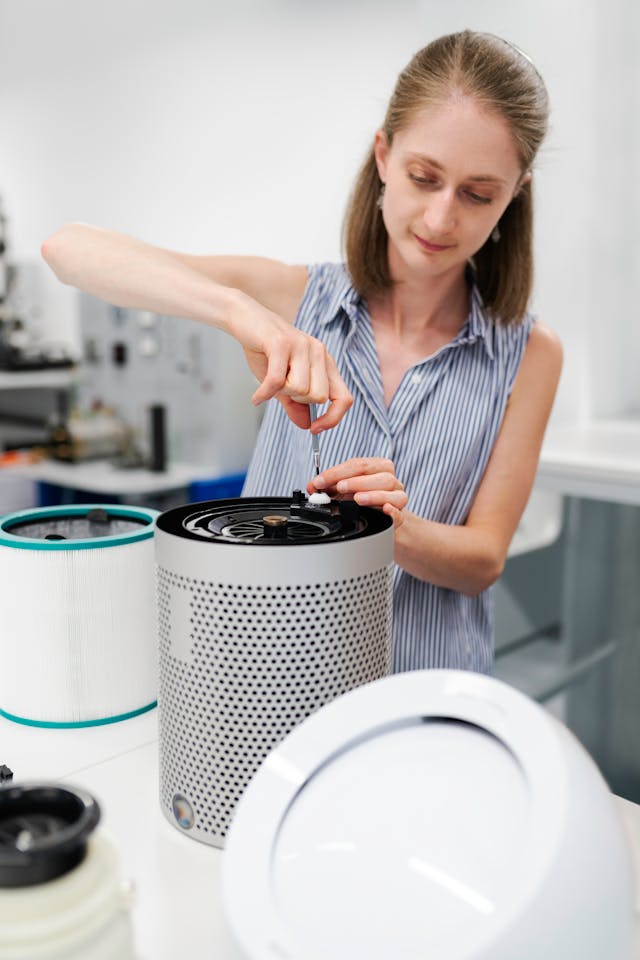
A dorm room should be a comfortable and clean space where students can focus on their studies and relax after a long day. However, dust buildup can make this environment less inviting, triggering allergies and affecting air quality. Small, enclosed spaces like dormitories accumulate dust quickly, making it essential to find an effective solution for cleaner air.
Selecting the best dorm air purifier ensures that airborne particles are filtered efficiently, improving indoor conditions. A suitable device removes dust, allergens, and other pollutants, promoting better respiratory health. With so many options available, understanding the key features to look for will help in making the right choice. This article will explain what to consider when choosing an air purifier, how different models work, and which features make a difference in dorm rooms.
Why Dorm Rooms Accumulate More Dust Than Other Spaces
A shared living space tends to collect more dust due to limited ventilation, fabric-covered furniture, and frequent movement. Rugs, bedding, and clothing fibers contribute to the buildup while opening and closing doors allow outside particles to settle indoors.
Additionally, dormitories often lack proper airflow, causing airborne particles to circulate rather than exit the room. Without a filtration system, dust and allergens continue to accumulate, making it harder to maintain a fresh and breathable space.
How Air Purifiers Improve Indoor Air Quality
An efficient filtration system removes harmful airborne particles, improving overall air quality. These devices work by drawing in polluted air, trapping contaminants in a filter, and releasing clean air back into the room. The result is a fresher, healthier environment that reduces allergy symptoms and prevents dust from settling on surfaces.
A good air purifier captures pet dander, pollen, and smoke, making it useful in dorms where multiple people share the space. With the right model, students can experience fewer allergy triggers and a more comfortable indoor setting.
Key Features to Consider Before Buying
When choosing an air purifier for a dormitory, it is important to focus on specific features that enhance efficiency and convenience.
- Filtration Type: Look for models with high-efficiency particulate air (HEPA) filters, as they capture microscopic dust particles.
- Room Coverage: Ensure the device is designed for small spaces to maximize its effectiveness.
- Noise Level: A quiet motor is essential, especially for study sessions and uninterrupted sleep.
- Portability: A compact and lightweight design allows easy placement in a limited area.
- Energy Efficiency: Low power consumption ensures the device can run continuously without significantly increasing electricity bills.
How to Choose the Right Air Purifier
With various models available, selecting the right air purifier requires careful consideration of several factors.
Filtration Efficiency
The most important aspect of any air purifier is its ability to remove airborne particles effectively. A HEPA filter is highly recommended because it can trap over 99% of fine dust, pet dander, and allergens. Unlike standard filters, HEPA models capture even the smallest particles, making them ideal for enclosed spaces like dormitories.
Some purifiers also include an activated carbon layer, which helps remove odors and volatile organic compounds (VOCs). This feature is beneficial in shared living spaces where different scents and pollutants may linger in the air.
Room Size Compatibility
Not all purifiers work efficiently in every room size. Checking the recommended square footage ensures that the model chosen is suitable for a dormitory. Compact units designed for small rooms are the best option since they provide effective filtration without taking up too much space. If a purifier is too small, it may not filter air properly, while a larger model may be unnecessary for the limited area of a dorm.
Air Circulation and CADR Rating
The Clean Air Delivery Rate (CADR) measures how efficiently a purifier removes dust, pollen, and smoke. A higher CADR rating indicates better performance, which is crucial for maintaining fresh air in a dorm room. Additionally, airflow capacity plays a role in how quickly air is cleaned. Some devices include multiple fan speeds, allowing users to adjust circulation based on air quality needs.
Noise Levels and Sleep Compatibility
A noisy air purifier can disrupt sleep and concentration, making it important to select a model with a quiet motor. Many manufacturers list the decibel (dB) level of their units, helping buyers determine if the noise output is suitable for a dormitory setting. Devices with a “sleep mode” operate at reduced noise levels, making them an excellent choice for overnight use.
Maintenance and Filter Replacement
A purifier is only as good as its filter maintenance. Choosing a model with easily replaceable filters simplifies upkeep and ensures long-term effectiveness. Some purifiers have washable filters, while others require replacement every few months. Checking the manufacturer’s maintenance recommendations can help determine ongoing costs and the effort required for filter changes.
Power Consumption and Energy Efficiency
Running an air purifier continuously helps maintain cleaner air, but energy efficiency should also be considered. A model with low power consumption prevents electricity costs from rising. Devices with an Energy Star certification are designed to operate efficiently while maintaining strong performance.
Common Mistakes to Avoid When Using an Air Purifier
Even the most effective air purifier can fail to deliver the best results if used incorrectly. Avoiding these mistakes ensures that the purifier operates at peak efficiency, creating a healthier indoor environment. Some common mistakes include:
- Choosing the wrong size: A unit too small for the room may not filter air efficiently, while a large one may consume unnecessary energy.
- Blocking airflow: Placing the purifier in a cramped corner can restrict circulation, reducing efficiency.
- Skipping filter replacements: Dirty filters lose their ability to trap dust, making regular maintenance essential.
- Using the wrong settings: Many purifiers offer adjustable fan speeds, but setting the device too low may not effectively clean the air.
The best dorm air purifier helps maintain a clean and healthy living space by reducing airborne dust and allergens. Choosing the right model requires considering filtration efficiency, size, and ease of use. A well-maintained device ensures long-term benefits, providing a comfortable environment for studying and relaxing. Investing in an air purifier improves indoor air quality, making dorm life healthier and more enjoyable.
