


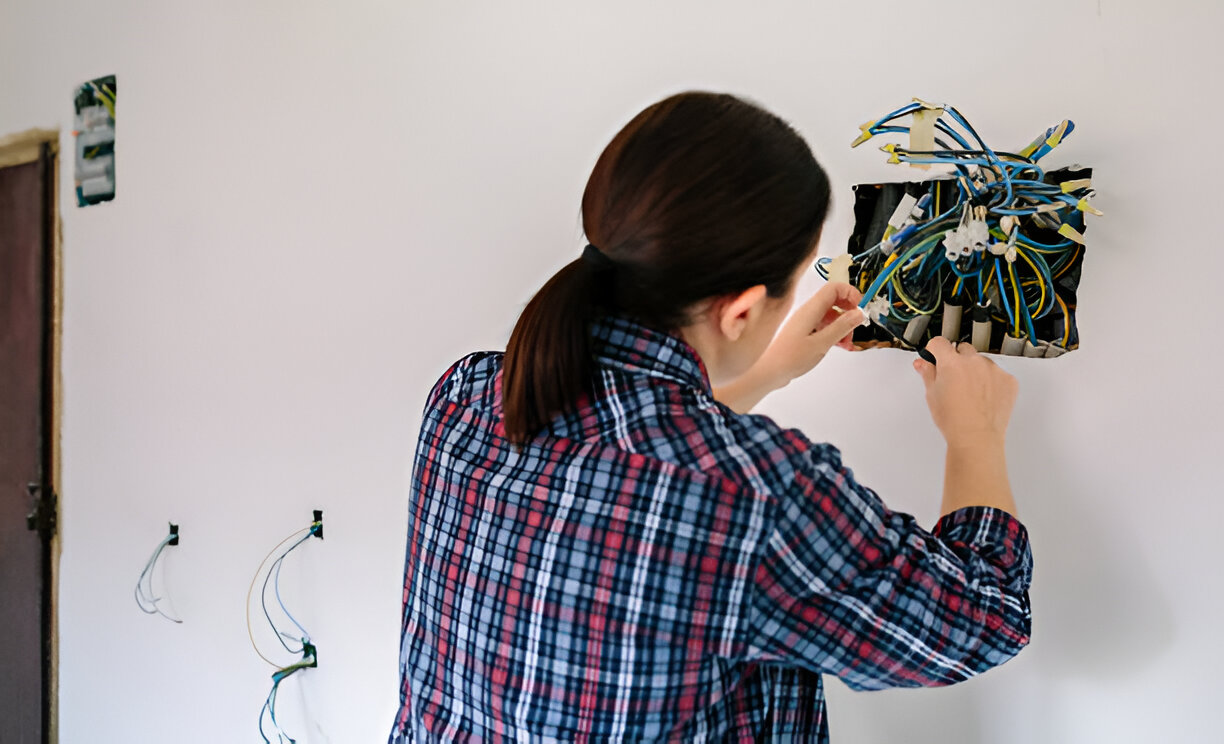
Have you ever noticed flickering lights, tripping circuit breakers, or outlets that do not work? These electrical concerns can disrupt daily life and may indicate underlying problems that need immediate attention. While some may seem minor, they can pose safety risks if left unresolved.
A residential electrician is trained to diagnose and repair electrical issues, ensuring safety and efficiency in homes. From faulty wiring to overloaded circuits, professional services help maintain a secure and functional electrical system. Here are five common electrical issues that a professional can fix.
Frequent Circuit Breaker Trips
A circuit breaker is designed to prevent electrical overloads by shutting off power when the current exceeds safe levels. If breakers trip frequently, it could indicate excessive demand on a single circuit, faulty wiring, or a malfunctioning appliance. An electrician can assess the cause, redistribute loads, or upgrade the electrical panel if necessary.
In some cases, old or outdated panels may struggle to handle modern electrical loads, making an upgrade essential. A professional will also ensure that circuits are not being overworked by energy-intensive devices, providing long-term solutions to prevent disruptions.
Flickering or Dimming Lights
Lights that flicker or dim unexpectedly may be caused by loose connections, outdated wiring, or overloaded circuits. If the issue occurs when using high-power appliances, it suggests an imbalance in the electrical load. An expert can inspect the wiring, tighten loose connections, or recommend an upgrade to prevent further disruptions.
Faulty light switches, deteriorating light fixtures, or problems in the main power supply could also contribute to the issue. A professional can identify whether the problem lies in a single fixture or signals a more extensive wiring issue within the home. If left unaddressed, such issues can cause further electrical instability, leading to increased repair costs over time.
Dead Outlets or Switches
Non-functional outlets and switches may result from damaged wiring, tripped GFCIs, or internal component failures. Ignoring these issues can lead to potential hazards such as electrical shocks or fire risks. A professional will troubleshoot the cause, replace faulty components, and restore safe functionality.
If multiple outlets stop working simultaneously, it may indicate a deeper wiring problem that requires immediate attention. An electrician can also upgrade outdated outlets with modern, safer alternatives that include features like built-in surge protection and USB ports for added convenience.
Overloaded Power Points
Plugging multiple devices into a single outlet using extension cords can lead to excessive electrical load, increasing the risk of overheating or fires. A licensed electrician can install additional power points or dedicated circuits to accommodate the household’s power needs, reducing strain on the existing system.
Older homes, in particular, may not have enough outlets to support modern energy demands, leading residents to rely on unsafe extension cords. A professional assessment can determine the best way to distribute power safely throughout the home while ensuring that outlets comply with current safety standards.
Faulty or Exposed Wiring
Aging or damaged wiring can lead to overheating, sparks, or electrical failure. Signs of wiring issues include burning smells, discoloured outlets, or buzzing sounds from walls. A residential electrician can inspect the wiring, replace damaged sections, and ensure compliance with safety standards to prevent hazards.
Worn-out insulation, rodent damage, or improper past installations can also lead to exposed wiring, increasing the risk of electrical fires. An expert will not only repair faulty wiring but also assess whether an entire rewiring of the home is necessary to meet modern safety codes.
A residential electrician plays a crucial role in maintaining the safety and functionality of home electrical systems. Regular inspections and timely repairs can prevent minor faults from turning into major hazards. Whether upgrading outdated wiring or fixing faulty circuits, professional expertise ensures that homes remain safe, efficient, and compliant with electrical regulations.
