


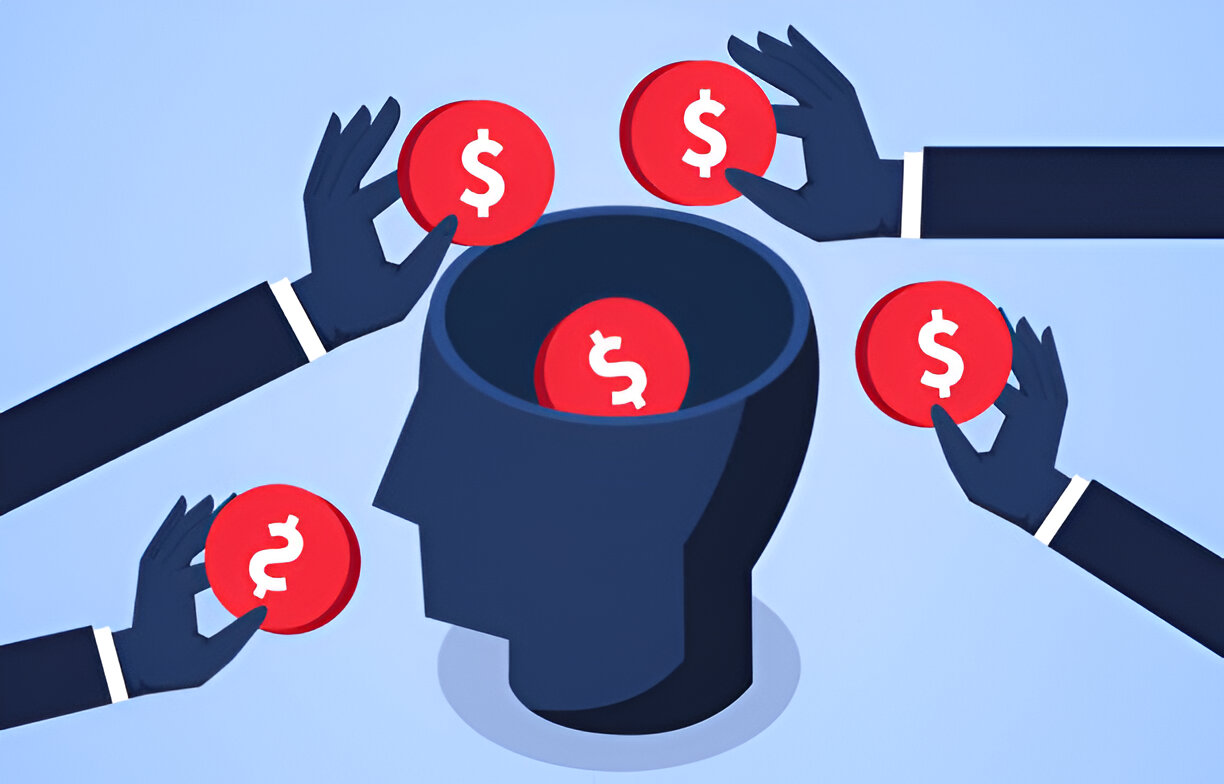
We all make financial decisions every day—whether it’s deciding to buy that new gadget, saving for a vacation, or managing debt. But did you know that a lot of these decisions are influenced by our money mindset, which is shaped by our personal beliefs, experiences, and emotions? Understanding the psychological factors behind our money decisions is more crucial than ever. By recognizing how our mindset impacts how we handle money, we can make better, more informed choices that lead to healthier financial outcomes.
In this article, we’ll explore how our psychology shapes our financial decisions, the types of mindsets that influence us, and practical ways to adjust our money mindset for better financial habits. From managing debt, like through options like a credit card consolidation loan, to saving for future goals, how we think about money plays a major role in what we do with it.
What Is Money Mindset?
At its core, money mindset is the way we think and feel about money. It includes the beliefs, emotions, and mental habits that shape our financial behaviors. If you’ve ever found yourself feeling guilty about spending, overly anxious about saving, or justifying purchases as “treats” for yourself, you’ve experienced the power of money mindset.
Your money mindset is influenced by your upbringing, life experiences, and even cultural attitudes about money. For example, if you grew up in a family where money was tight, you might have developed a mindset focused on scarcity—always fearing that there isn’t enough. On the other hand, if you grew up in an environment where money wasn’t a major concern, you might lean toward a more relaxed mindset that focuses on abundance.
This mindset can shape everything from how we spend to how we invest or save. It’s not just about the dollars and cents; it’s about how our thoughts and feelings about money guide our actions.
How Money Mindset Affects Spending and Saving Habits
The way we approach spending and saving is often influenced by our money mindset. For example, someone with an abundant mindset may be more comfortable with the idea of investing in the stock market or spending on experiences, knowing that they believe more money will come to them in the future. Conversely, someone with a scarcity mindset might worry about running out of money, leading to excessive saving or even avoiding spending on necessary things out of fear.
Our mindset can also impact how we approach debt. For example, if you’re dealing with high-interest credit card debt, your mindset could play a big role in how you tackle it. Someone with a scarcity mindset might avoid addressing the issue out of anxiety or fear of confronting the debt, while someone with an abundance mindset might take a more proactive approach by looking into solutions like a credit card consolidation loan to simplify and manage the debt more effectively.
This emotional influence means that the way we think about money can either work for or against us. If we’re always in a state of fear or stress regarding our finances, we’re less likely to make thoughtful, informed decisions about spending and saving.
The Impact of Money Mindset on Long-Term Financial Goals
When it comes to long-term financial planning, your money mindset can make or break your success. People with a positive, growth-oriented mindset tend to be more confident about setting and achieving financial goals. They’re more likely to prioritize saving for retirement, invest in opportunities that will yield returns, and make decisions based on long-term security rather than short-term gratification.
On the other hand, those with a limiting mindset might struggle with setting big goals or following through with them. They might feel overwhelmed by the idea of saving for retirement because it seems too far away, or they might avoid investing altogether because they fear losing money. This negative mindset often stems from the belief that they’re not capable of managing their finances or that financial success is out of reach.
Changing your mindset around long-term goals is one of the most powerful ways to improve your financial outcomes. Instead of feeling anxious or defeated about the future, start viewing it as an opportunity to build financial security through consistent action. Recognizing the psychological barriers holding you back is the first step to overcoming them.
How Emotional Spending Plays a Role
Emotions are one of the biggest factors in financial decision-making. It’s easy to make purchases based on how we’re feeling in the moment, whether it’s to cope with stress, celebrate an achievement, or reward ourselves. Emotional spending often leads to impulsive buying and can throw us off track from achieving our financial goals.
For example, let’s say you’re having a bad day, and you decide to treat yourself to a shopping spree to feel better. While the immediate gratification might feel good, it doesn’t solve the root cause of your emotions, and the guilt of overspending can set in later. The key here is to understand why we’re spending and whether the purchase truly aligns with our long-term financial goals.
Being mindful of emotional spending means taking a pause before making a purchase, reflecting on the underlying emotions driving it, and determining whether it’s truly necessary. Finding alternative ways to cope with emotions—like going for a walk, journaling, or talking to a friend—can help reduce the impulse to spend when emotions are high.
Shifting Your Money Mindset for Better Financial Outcomes
So, how do you start changing your mindset around money? Here are a few strategies to help you shift your financial thinking for better decision-making:
- Recognize and Challenge Limiting Beliefs: The first step in changing your money mindset is to identify any limiting beliefs you may have. Are you telling yourself that you’ll never be able to save enough for retirement or that you’ll always be in debt? Once you recognize these thoughts, challenge them by asking if they are really true or if they’re just holding you back.
- Embrace a Growth Mindset: Instead of focusing on scarcity or limitations, adopt a growth mindset. Believe that you can improve your financial situation with consistent effort, education, and smart decisions. This shift can help you feel more confident about making money decisions and creating a positive financial future.
- Set Clear, Achievable Goals: Setting specific and achievable financial goals helps you stay focused and motivated. Whether you’re paying off debt, saving for a down payment on a house, or building your emergency fund, having clear goals gives you direction and helps you stay on track.
- Create Healthy Spending Habits: Develop a budget that aligns with your values and goals. By tracking your spending and identifying areas where you can cut back, you can make intentional choices about where your money goes. This helps you stay focused on long-term financial success rather than short-term impulses.
- Seek Financial Education: The more you know about money, the more confident you’ll become in managing it. Whether it’s learning about investment strategies or understanding how to reduce debt, increasing your financial knowledge can empower you to make smarter decisions.
Conclusion
Your money mindset shapes every decision you make regarding your finances. Whether you’re tackling debt, saving for the future, or planning for big purchases, how you think about money directly impacts your actions. By recognizing the psychological factors at play and actively working to shift your mindset, you can make better financial decisions that align with your long-term goals. It all starts with understanding the way you think about money and taking small, deliberate steps to change the narrative for the better.
