


Did you know that over half of Americans struggle to stick to a budget? Whether aiming to save more, spend smarter, or finally get out of debt, the 50/30/20 rule is a simple yet highly effective budgeting system designed to help you take control of your finances without stress.
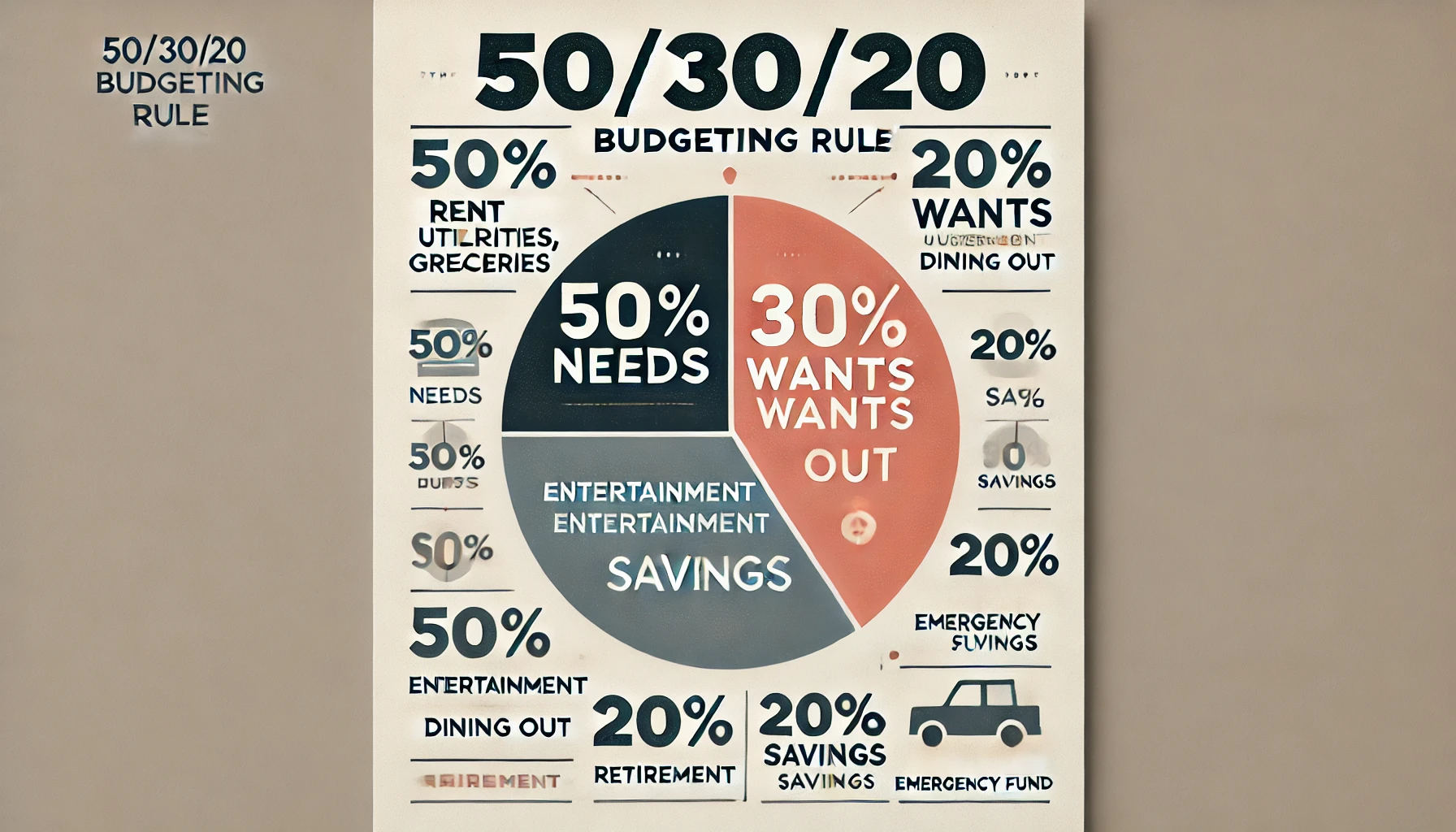
This powerful rule divides your income into three easy-to-manage categories—needs, wants, and savings—giving you a clear path to balance your financial priorities.
Let’s dive deeper to see how this rule works, why it’s so effective, and how you can use it to take charge of your money.
What is the 50/30/20 Rule?
The 50/30/20 rule is a straightforward budgeting strategy popularized by Senator Elizabeth Warren in her book All Your Worth: The Ultimate Lifetime Money Plan. It allocates your after-tax income into three categories:
- 50% for Needs: These are non-negotiable expenses, such as housing, utilities, groceries, transportation, insurance, and minimum debt payments.
- 30% for Wants: This category covers non-essentials like dining out, streaming subscriptions, hobbies, travel, and entertainment.
- 20% for Savings and Debt Repayment: This includes contributions to your savings account, retirement funds, emergency savings, and additional debt payments beyond the minimum.
By giving every dollar you earn a specific purpose, the 50/30/20 rule helps you live comfortably while ensuring you save for the future and pay off your debts.
Why the 50/30/20 Rule Works
What makes this rule so appealing is its simplicity. Unlike complicated budgeting systems that require you to track every single dollar, the 50/30/20 rule focuses on broader categories, allowing you to manage your money with ease. It’s flexible enough to adapt to various lifestyles and income levels while still helping you maintain a balanced approach to spending and saving.
This method also keeps you from feeling deprived. It doesn’t demand you sacrifice your favorite indulgences or restrict your budget to the bare minimum. Instead, it ensures you enjoy your life today while building a secure financial future.
How to Use the 50/30/20 Rule
Here’s the step-by-step process for using the 50/30/20 rule :
Step 1: Calculate Your After-Tax Income
Start by determining your total income after taxes. If you’re a salaried employee, check your paycheck to find your net income (the amount you take home after taxes and deductions). If you’re self-employed or earn variable income, subtract taxes, business expenses, and other deductions from your gross income to get your after-tax earnings.
For example, if your monthly net income is $4,000, your budget would allocate:
- $2,000 (50%) for Needs
- $1,200 (30%) for Wants
- $800 (20%) for Savings and Debt Repayment
Step 2: Track Your Expenses
Spend at least one month tracking your expenses to see where your money is going. Categorize each expense into Needs, Wants, and Savings/Debt Repayment. For example:
- Needs: Rent, utilities, groceries, car payments, health insurance
- Wants: Concert tickets, takeout, Netflix, shopping
- Savings/Debt: Emergency fund, retirement contributions, credit card payments beyond the minimum
Step 3: Adjust to Fit the Rule
If your spending doesn’t match the 50/30/20 distribution, it’s time to make adjustments. Are your Wants taking up too much of your budget? Cut back on dining out or unnecessary subscriptions. Are your Needs exceeding 50%? Look for ways to reduce housing costs or switch to cheaper insurance plans.
Looking for help managing debt so you can free up more money for savings? Check out resources like Freedom Debt Relief, which can guide you in creating a strategy to pay off your debts more effectively.
Breaking Down the Three Categories
Let’s break down the three categories of the 50/30/20 rule:
50% for Needs
This category covers all your essential expenses—things you absolutely must pay for to live. If your needs exceed 50%, you may need to make some tough decisions, such as downsizing your home, carpooling to reduce transportation costs, or cutting back on utility use.
30% for Wants
This is the fun category! While it’s tempting to spend more than 30% of your income on Wants, staying disciplined will pay off in the long run. To stick to this percentage, try prioritizing the experiences or items that matter most to you and saying no to the rest.
20% for Savings and Debt Repayment
Use this portion to build a financial safety net and work toward long-term goals. Start by creating an emergency fund that can cover 3-6 months of expenses. Then, focus on contributing to retirement accounts and paying down high-interest debt like credit cards.
Once your debts are under control, use this money to invest or save for larger goals like a home or education.
Benefits of the 50/30/20 Rule
- Easy to Understand and Apply: The clear percentages make it simple to allocate your income without overthinking.
- Encourages Balance: You’re not forced to give up the things you enjoy while still prioritizing savings and essentials.
- Reduces Financial Stress: By having a plan for every dollar, you eliminate the guesswork and stress of managing your finances.
- Builds a Secure Future: Regular savings and debt repayment ensure you’re always working toward financial stability.
Challenges and How to Overcome Them
The 50/30/20 rule comes with some challenges. However, you can remove or minimize its negative effects:
High Cost of Living
Living in an expensive city where housing takes up a significant portion of your budget? Adjust the percentages to fit your reality. For example, you might allocate 60% to Needs, 20% to Wants, and 20% to Savings.
Variable Income
If you’re a freelancer or have irregular earnings, base your budget on your lowest monthly income. During high-earning months, allocate the extra income toward savings or debt repayment to cover slower periods.
Existing Debt
Large debts can make it challenging to stick to the rules. Focus on paying down high-interest debt first, such as credit cards, and consider consolidating debts for lower interest rates if possible.
Tips for Sticking to the 50/30/20 Rule
Here are some tips to stay sticked to 50/30/20 rule:
- Use Budgeting Tools: Apps like Mint, YNAB, or Personal Capital can help you automate your budget and track spending.
- Automate Your Savings: Set up automatic transfers to your savings account each payday. This removes the temptation to spend that money elsewhere.
- Review and Adjust Regularly: Your income and expenses will change over time. Revisit your budget every 3-6 months to ensure it still aligns with your financial goals.
The Bottom Line
The 50/30/20 rule isn’t just a budgeting strategy—it’s a framework for financial freedom. By allocating your income intentionally, you can spend smarter, save more, and finally feel in control of your money.
Whether you’re just starting your financial journey or looking for a better way to manage your expenses, this simple rule can help you achieve your goals while enjoying life along the way.
It’s time to stop letting your money manage you and start managing your money. Use the 50/30/20 rule today to create a financial future you’ll be proud of!
