


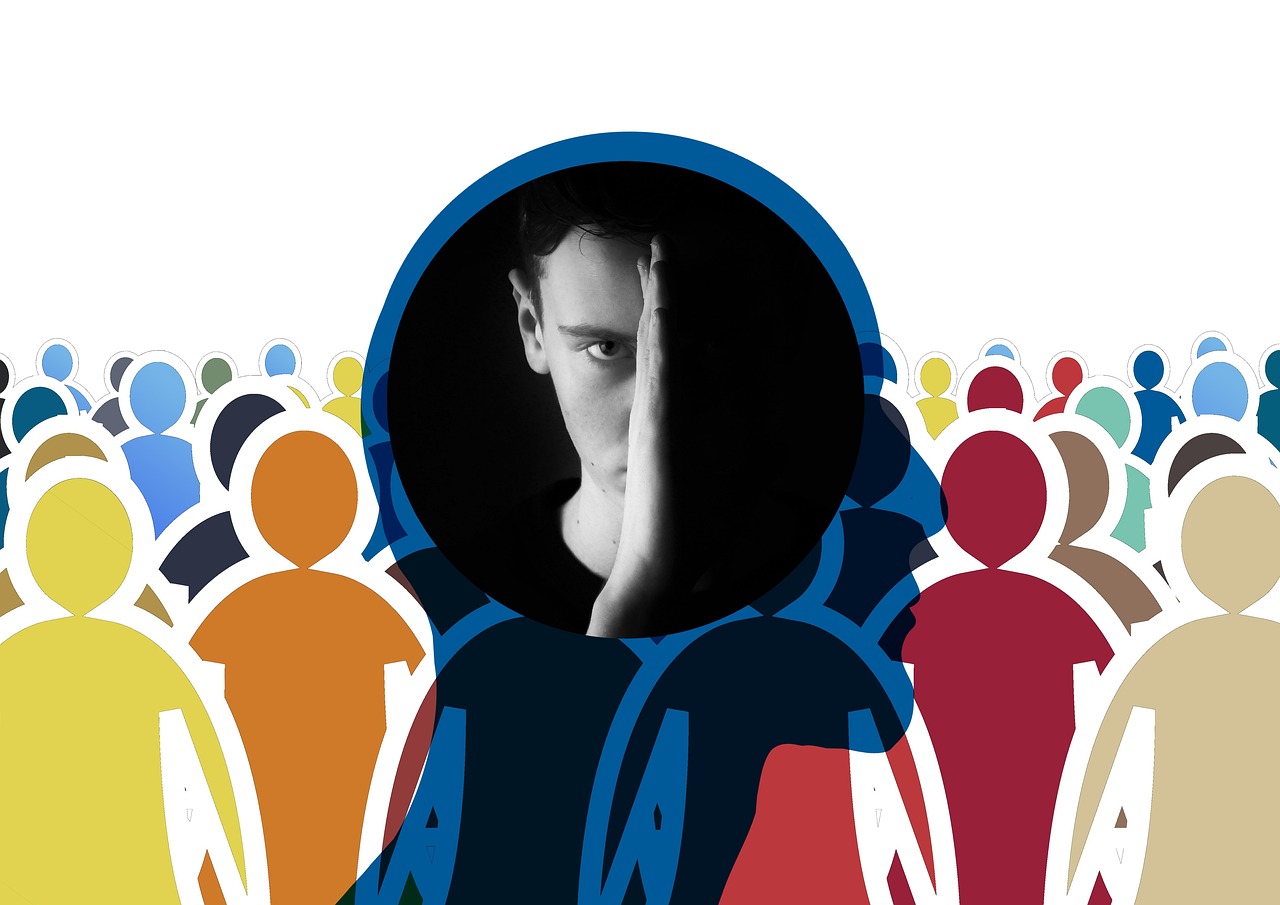
Bipolar disorder is a complex mental health condition that affects millions of people worldwide. Characterized by extreme mood swings—ranging from manic highs to depressive lows—it can disrupt every aspect of a person’s life. But for many individuals living with bipolar disorder, there’s an added layer of complexity: substance abuse. The connection between bipolar disorder and substance abuse is well-documented, yet it remains widely misunderstood. If you or someone you love is navigating this dual challenge, know that you’re not alone, and there is hope. This article will explore the intricate relationship between bipolar disorder and substance abuse, why they often co-occur, and how to find effective treatment and support.
Understanding Bipolar Disorder: More Than Mood Swings
Bipolar disorder is a chronic mental health condition that causes significant shifts in mood, energy, and activity levels. These shifts are categorized into two main types of episodes:
- Manic Episodes: Elevated mood, increased energy, and impulsive behavior. During a manic episode, individuals may feel invincible, take risks, or engage in activities they wouldn’t normally consider.
- Depressive Episodes: Periods of intense sadness, low energy, and feelings of hopelessness. Depressive episodes can make it difficult to get out of bed, concentrate, or find joy in daily life.
These episodes can vary in intensity and duration, and the unpredictability of bipolar disorder can make it incredibly challenging to manage. But what happens when substance abuse enters the picture?
The Link Between Bipolar Disorder and Substance Abuse
Research shows that individuals with bipolar disorder are significantly more likely to struggle with substance abuse compared to the general population. Studies suggest that up to 60% of people with bipolar disorder will experience a substance use disorder at some point in their lives. This co-occurrence, often referred to as a dual diagnosis or co-occurring disorder, creates a unique set of challenges that require specialized treatment.
Why Do Bipolar Disorder and Substance Abuse Often Co-Occur?
- Self-Medication
One of the most common reasons for substance abuse in individuals with bipolar disorder is self-medication. During depressive episodes, people may turn to alcohol or drugs to numb emotional pain or lift their mood. During manic episodes, they might use substances to enhance their energy or prolong the high. Unfortunately, this self-medication often backfires, worsening symptoms and creating a vicious cycle. - Impulsivity and Risk-Taking
Manic episodes are often marked by impulsivity and poor decision-making. This can lead to experimenting with drugs or alcohol, even in individuals who might otherwise avoid substances. The thrill-seeking behavior associated with mania can increase the likelihood of substance abuse. - Genetic and Biological Factors
Both bipolar disorder and substance use disorders have genetic components. Individuals with a family history of either condition may be more susceptible to developing both. Additionally, imbalances in brain chemistry, such as dopamine dysregulation, can contribute to both conditions. - Social and Environmental Factors
Stressful life events, trauma, and social isolation can exacerbate bipolar symptoms and increase the risk of substance abuse. For some, substances become a way to cope with overwhelming emotions or difficult circumstances. - Misdiagnosis and Lack of Treatment
Bipolar disorder is often misdiagnosed, particularly when substance abuse is present. This can delay proper treatment, leaving individuals to struggle with untreated symptoms and increasing the likelihood of continued substance use.
The Impact of Substance Abuse on Bipolar Disorder
Substance abuse doesn’t just coexist with bipolar disorder—it can significantly worsen the condition. Here’s how:
- Increased Mood Instability: Alcohol and drugs can trigger or intensify mood episodes, making it harder to manage bipolar symptoms.
- Reduced Treatment Effectiveness: Substance abuse can interfere with the effectiveness of medications and therapies, making it more difficult to achieve stability.
- Higher Risk of Suicide: The combination of bipolar disorder and substance abuse is associated with a significantly higher risk of suicidal thoughts and behaviors.
- Physical Health Complications: Substance abuse can lead to a range of physical health issues, from liver damage to cardiovascular problems, further complicating overall well-being.
Breaking the Cycle: Treatment for Co-Occurring Bipolar Disorder and Substance Abuse
The good news is that recovery is possible, even for individuals facing both bipolar disorder and substance abuse. Effective treatment requires an integrated approach that addresses both conditions simultaneously. Here are some key components of treatment:
1. Dual Diagnosis Treatment
Dual diagnosis treatment is specifically designed for individuals with co-occurring mental health and substance use disorders. This approach ensures that both conditions are treated as interconnected rather than addressed separately.
2. Medication Management
Medications such as mood stabilizers, antipsychotics, and antidepressants can help manage bipolar symptoms. In some cases, medications like naltrexone or acamprosate may be used to reduce cravings and support sobriety.
3. Therapy and Counseling
Therapies like Cognitive Behavioral Therapy (CBT), Dialectical Behavior Therapy (DBT), and Motivational Interviewing (MI) can help individuals develop healthier coping mechanisms, manage triggers, and build resilience.
4. Support Groups
Support groups, such as Dual Recovery Anonymous (DRA) or 12-step programs, provide a sense of community and understanding. Sharing experiences with others who face similar challenges can be incredibly empowering.
5. Lifestyle Changes
Incorporating healthy habits like regular exercise, a balanced diet, and mindfulness practices can support overall well-being and reduce the risk of relapse.
6. Relapse Prevention Planning
Creating a relapse prevention plan is essential for long-term recovery. This plan should include strategies for managing triggers, recognizing warning signs, and seeking help when needed.
The Role of Loved Ones
If someone you care about is struggling with bipolar disorder and substance abuse, your support can make a world of difference. Here are some ways to help:
- Educate Yourself: Learn about both conditions to better understand what your loved one is going through.
- Offer Compassion: Avoid judgment and offer empathy. Recovery is a journey, and setbacks are part of the process.
- Encourage Treatment: Encourage your loved one to seek professional help and assist in finding resources.
- Take Care of Yourself: Supporting someone with a dual diagnosis can be challenging. Make sure to prioritize your own mental health and seek support if needed.
Finding Hope and Healing with Silver Lining Psychiatry
The connection between bipolar disorder and substance abuse is undeniably complex, often creating a cycle that feels impossible to break. However, it is crucial to remember that recovery is always within reach. With the right treatment, support, and resources, individuals can regain control of their lives and build a future filled with stability, fulfillment, and hope. If you or someone you love is facing the challenges of co-occurring bipolar disorder and substance abuse, know that you are not alone—help is available, and healing is possible.
At Silver Lining Psychiatry, compassionate care is at the heart of everything they do. Their team of highly trained professionals understands the unique challenges of managing both bipolar disorder and substance use disorders, and they are committed to providing comprehensive, evidence-based treatment tailored to each individual’s needs.
Comprehensive and Personalized Treatment
Silver Lining Psychiatry offers a full spectrum of mental health services designed to support patients through every step of their recovery journey. Their approach includes:
- Thorough Psychiatric Evaluations – A detailed assessment to accurately diagnose and understand each patient’s mental health challenges.
- Customized Treatment Plans – Personalized strategies considering the individual’s unique symptoms, history, and treatment goals.
- Evidence-Based Therapies – Proven approaches such as Cognitive Behavioral Therapy (CBT) to address thought patterns, Dialectical Behavior Therapy (DBT) for emotional regulation, and Eye Movement Desensitization and Reprocessing (EMDR) to process past trauma that may contribute to substance use.
- Medication Management – Careful monitoring and prescribing medications that stabilize mood, reduce cravings, and support overall well-being.
- Dual Diagnosis Treatment – A specialized approach that treats both bipolar disorder and substance use disorder together, rather than separately, to improve long-term outcomes.
- Holistic and Supportive Care – Lifestyle guidance, stress management techniques, and family support to create a well-rounded recovery plan.
Understanding that accessibility plays a key role in successful treatment, Silver Lining Psychiatry has multiple locations throughout Orlando, Winter Park, Windermere, and Oviedo, FL. Their commitment to serving the community ensures that individuals can find the care they need close to home, removing barriers to treatment and making mental health support more readily available.
If you have been searching for a trusted, experienced psychiatrist for bipolar disorder near me or a psychiatrist near Winter Park, Silver Lining Psychiatry offers a welcoming environment where patients receive the highest quality care from professionals who truly understand their struggles.
A Path Forward to a Brighter Future
Taking the first step toward healing can be daunting, but it is also the most important decision in reclaiming a life of stability and purpose. Recovery is a journey, and no one should have to walk it alone. With the support of Silver Lining Psychiatry, individuals can break free from the cycle of addiction and instability, rediscover their inner strength, and move toward a future filled with hope, balance, and well-being. If you or a loved one is ready to take that next step, don’t wait. Silver Lining Psychiatry is here to help—because healing is possible, and a brighter tomorrow begins today.
