


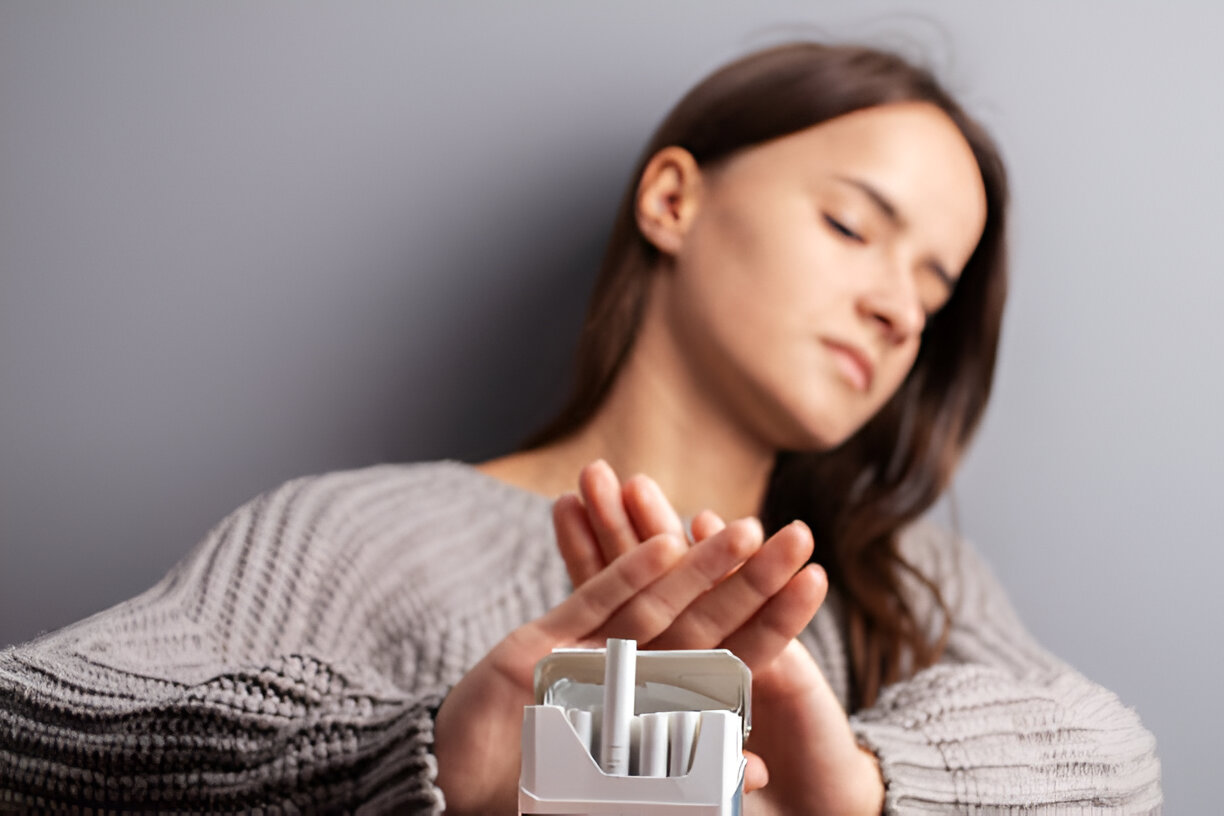
Amid vaping’s rise as an alternative to smoking, concerns about secondhand vape exposure have surfaced, mirroring historical issues tied to tobacco smoke. Understanding these risks and implementing strategies to protect oneself is paramount for maintaining health in a world increasingly filled with vape clouds. The chemical composition found in e-cigarette vapor can be complex and often misunderstood, contributing to a false sense of security among non-users. Individuals can better equip themselves against inadvertent exposure by delving deeper into these dynamics.
Table of Contents
- Understanding Secondhand Vape Exposure
- Health Risks of Secondhand Vaping
- Identifying At-Risk Environments
- Practical Measures to Minimize Exposure
- Policy and Community Involvement
- Healthcare Advice and Concerns
- The Role of Technology in Protection
- Key Takeaways
- Conclusion: Stepping Towards a Vape-Safe Tomorrow
Understanding Secondhand Vape Exposure
Secondhand vape exposure refers to inhaling the aerosol or vapor exhaled by individuals using e-cigarettes. While often perceived as less harmful than traditional cigarette smoke, studies have shown that the vapor contains a mix of potentially toxic chemicals. This misunderstanding has led many to underestimate the lingering effects of these substances in indoor environments. As vaping becomes more prevalent, awareness of secondhand exposure and its impacts on non-users is essential. This shift in understanding marks an important step toward a healthier populace that is more informed of their environmental interactions.
Health Risks of Secondhand Vaping
Although vaping is often marketed as a healthier alternative, the aerosol emitted contains nicotine and other substances, such as volatile organic compounds, heavy metals, and ultrafine particles. These can pose significant health risks, particularly for vulnerable populations like children, pregnant women, and individuals with pre-existing respiratory conditions. Such exposure can mask its immediate effects, delaying the realization of potential harm. Research remains ongoing, but potential impacts on cardiovascular and respiratory health are among the concerning risks associated with exposure. With more evidence emerging, individuals are becoming more vigilant about where and how vaping occurs near them.
Identifying At-Risk Environments
Places where vaping is prevalent—such as bars, clubs, and even some workplaces—can increase the likelihood of secondhand exposure. Understanding where these environments exist is the first step in protecting oneself. It is crucial to recognize the subtle presence of aerosols, which may not be as visually evident as traditional smoke. Vape aerosols can linger in poorly ventilated spaces, increasing exposure risks. Identifying and avoiding these spaces where possible can significantly reduce unintended inhalation. Event planners and venue managers are increasingly being called upon to ensure their locations are not contributing to exposure risks, fostering a safer environment for all attendees.
Practical Measures to Minimize Exposure
Here are steps you can take to protect yourself:
- Maintain Distance: Keep a reasonable distance from vaping individuals, especially in outdoor public spaces where aerosol dispersion is less predictable.
- Improve Ventilation: When indoors, ensure that spaces are well-ventilated. Opening windows and using air purifiers with HEPA filters can help reduce the concentration of pollutants. Regular maintenance of air purification systems provides peak efficiency in clearing harmful residues.
- Avoid Shared or Confined Spaces: To limit high aerosol concentrations, avoid entering small rooms or vehicles where vaping occurs. Creating vape-free zones within personal and communal spaces can support broader health efforts.
- Select Vape-Free Zones: When choosing places to dine, drink, or socialize, look for establishments that enforce no-vape policies to minimize exposure.
Policy and Community Involvement
Advocating for policies that restrict vaping in public spaces enhances individual protection efforts. Supporting local initiatives to enforce no-vape zones can spark community-wide change. These movements often originate from grassroots organizations committed to public safety. Communal advocacy usually leads to broader implementation of public health safeguards, protecting the health of kindreds and the wider community. Such policies protect individuals and empower communities to take pride in maintaining clean, healthy air.
Healthcare Advice and Concerns
If you are concerned about the potential health impacts of secondhand vaping, consulting healthcare professionals can provide clarity. Physicians can offer specific guidance tailored to personal health circumstances. Their insights are invaluable, especially when navigating the burgeoning research landscape around vaping. Regular health check-ups ensure any effects are detected early, allowing for prompt intervention if necessary. Health professionals are also increasingly vocal about the need for public education on secondhand vaping, equipping individuals with the knowledge to make informed decisions.
The Role of Technology in Protection
Advancements in technology have equipped individuals with tools to detect and mitigate exposure to air pollutants. Personal air quality monitors can measure indoor air quality, providing real-time data for immediate action. This information can alert users to take preventive steps promptly. Additionally, app-based platforms offer notifications on areas with high vaping activities, helping you make informed decisions about where to spend your time. Technology enhances individual awareness and supports community efforts to reduce overall exposure.
Key Takeaways
- Understand the components of secondhand vaping and associated health risks.
- Identify environments with high vaping activities and exercise caution.
- Employ practical measures to improve air quality in your home and workspaces.
- Engage in community efforts to support regulations limiting public vaping.
- Utilize technology to stay informed about personal exposure risks.
- Keep abreast of ongoing research to understand emerging data and adapt safety practices accordingly.
By adopting these practices, individuals can significantly reduce their exposure to secondhand vape aerosols, safeguarding their health in environments where vaping is increasingly common. Empowering oneself with knowledge and tools is a proactive step in maintaining a healthy lifestyle. Collective community awareness and actions ensure that healthful living is accessible to everyone.
Conclusion: Stepping Towards a Vape-Safe Tomorrow
The journey toward reducing secondhand vape exposure is both a personal and collective responsibility. Through mindfulness, advocacy, and practical action, individuals can protect not only themselves but their communities as well. Engagement in dialogue and policy development can further enhance protection measures. As more research provides insights into the long-term effects, these efforts will prove critical in fostering a healthier environment for everyone. The collective understanding and shared goal of minimizing exposure can spark long-term positive change, steering society towards a future that prioritizes health and well-being through informed, communal action.
