


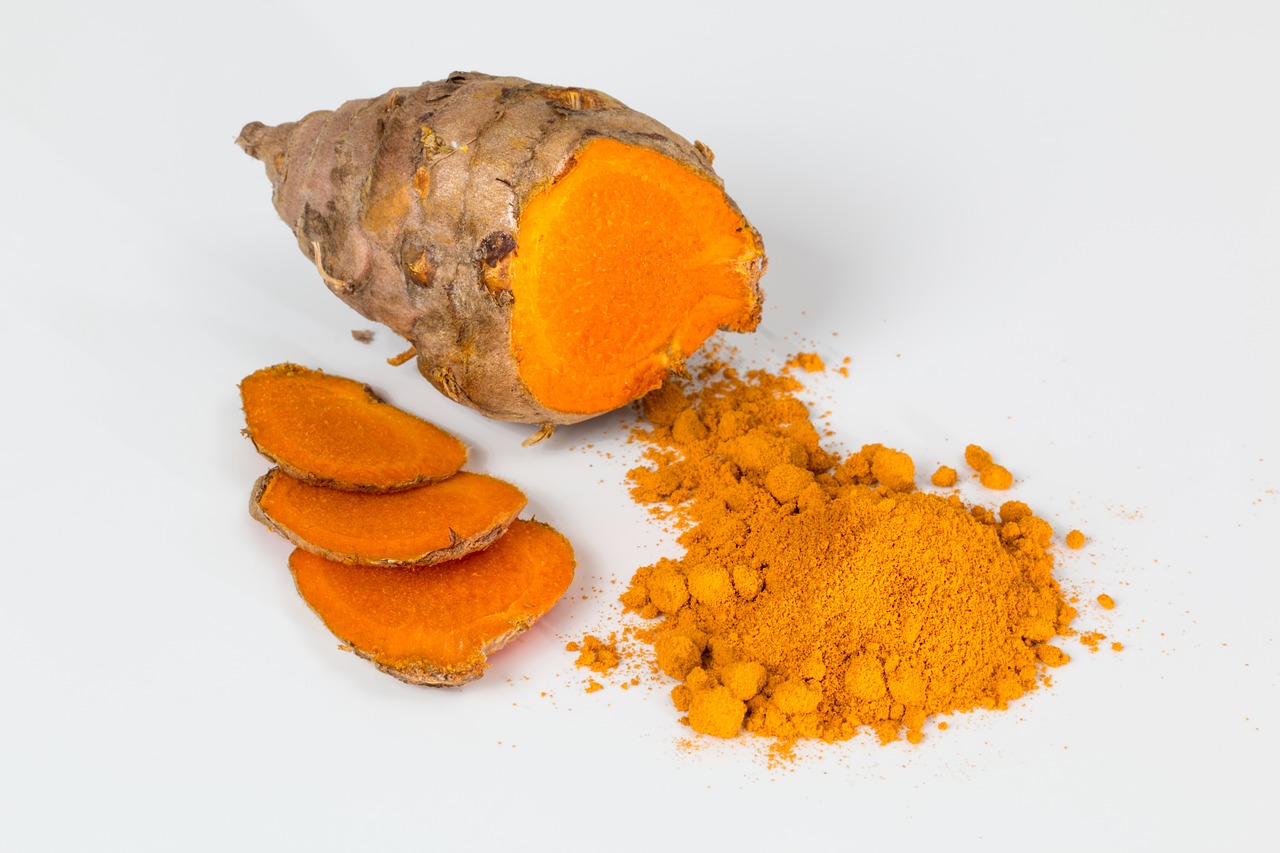
Spices have been integral to culinary traditions and healing practices for centuries. It stands out as a true gem among them. Known as the “Golden Spice,” turmeric boasts a rich history, vibrant color, and a wealth of health benefits. These benefits make it a staple in kitchens and medicine cabinets worldwide. Let’s explore the flavorful world of turmeric spice and why it deserves its celebrated status.
The Origins of Turmeric
Turmeric (Curcuma longa) is a rhizome, much like ginger, native to South Asia, particularly India. It has been cultivated for over 4,000 years and is vital in Indian, Middle Eastern, and Southeast Asian cuisines. Its earthy, slightly bitter taste and striking golden hue have made it indispensable in traditional dishes like curries, stews, and rice recipes. Turmeric powder has become a staple in Indian kitchens.
Turmeric is also deeply rooted in cultural and religious practices. In India, it is not just a spice but a symbol of prosperity and purity, used in ceremonies and rituals.
Culinary Uses of Turmeric
Turmeric’s versatility in cooking is unmatched. Its vibrant color enhances the visual appeal of dishes, while its warm and earthy flavor adds depth. Here are some popular culinary applications of turmeric:
- Curries and Stews
Turmeric is a key ingredient in curry powders and spice blends. It forms the base of countless savory dishes, bringing a distinct taste and aroma. - Golden Milk
Also known as turmeric latte, this soothing drink combines turmeric with milk (or plant-based alternatives), a touch of honey, and spices like cinnamon and ginger. - Rice Dishes
A pinch of turmeric spice can transform plain white rice into a visually appealing and flavorful side dish. - Soups and Broths
Turmeric’s anti-inflammatory properties make it a popular addition to nourishing soups and bone broths. - Smoothies
Adding a small amount of turmeric to smoothies gives a health boost without overpowering the flavor.
How to Incorporate Turmeric into Your Diet?
Integrating turmeric into your daily routine is easier than you think. Start small by adding a pinch to soups, teas, or smoothies. For enhanced absorption of curcumin, pair turmeric with black pepper, which contains piperine, a compound that boosts bioavailability.
Consider using fresh turmeric root for an even more intense flavor. Grated turmeric can be added to marinades, salad dressings, or baked goods for a unique twist.
Turmeric Beyond the Kitchen
Turmeric’s uses extend far beyond cooking. In skincare, turmeric masks are celebrated for brightening skin and reducing blemishes. Additionally, turmeric supplements and teas are widely available, providing an easy way to enjoy its health benefits.
The Cultural Significance of Turmeric
Turmeric is not just a spice; it is deeply ingrained in cultural traditions and festivals, especially in South Asia. In India, turmeric plays a prominent role in Hindu ceremonies, particularly weddings. Known as “haldi” in Hindi, turmeric paste is applied to the bride and groom during the Haldi ceremony to bless them with prosperity. Its auspicious nature makes it essential in various religious offerings and rituals.
Its Sanskrit name, “Haridra,” signifies its golden hue and role in promoting health and longevity. In traditional Chinese medicine (TCM), turmeric is also used to improve blood circulation and relieve pain.
Turmeric in Modern Wellness Trends
In recent years, turmeric has gained massive popularity in the wellness industry. Its health-boosting properties have propelled it to the forefront of the “superfood” category, leading to innovative uses and products that cater to modern lifestyles.
- Turmeric Supplements
Capsules containing concentrated curcumin extract are widely available for those seeking a convenient way to enjoy the spice’s benefits. - Turmeric Teas and Tonics
Turmeric tea blends, often infused with ginger and lemon, are marketed as detox drinks that support digestion and immunity. - Beauty and Skincare
Turmeric-infused skincare products, like face masks, creams, and serums, are celebrated for reducing acne, brightening the complexion, and fighting signs of aging. - Functional Foods
Turmeric is being incorporated into snacks, protein bars, and beverages aimed at health-conscious consumers.
Choosing the Right Turmeric
Not all turmeric is created equal, and the quality of the spice can significantly affect its flavor and health benefits. Here are a few tips to ensure you’re getting the best turmeric:
- Look for Organic Options
Organic turmeric is grown without harmful pesticides and chemicals, preserving its natural purity. - Choose High-Curcumin Varieties
If you’re using turmeric for its health benefits, opt for varieties with a higher curcumin content.
Cooking Tips for Turmeric
Mastering turmeric in your cooking can elevate your dishes while enhancing your health. Here are some practical tips:
- Don’t Overuse
While turmeric adds depth to dishes, too much can make your food bitter. Start with small amounts and adjust to your taste. - Blend It with Fats
Cooking turmeric with fats like coconut oil or ghee enhances its flavor and allows the curcumin to dissolve, making it more bioavailable. - Pair with Black Pepper
The piperine in black pepper increases curcumin absorption by up to 2,000%, so always use these two together.
Conclusion
Turmeric is more than a spice—it symbolizes health and culinary excellence. From ancient remedies to modern superfood trends, its vibrant presence enriches our lives in countless ways. Whether savoring its warmth in a curry, sipping on golden milk, or benefiting from its healing properties, turmeric is truly a natural gift. It deserves a permanent place in your pantry and wellness routine.
